
מערכות אוורור תעשייתיות יכולות להיות מכריעות להפעלה תקינה של כל מתקן. הם מספקים אוויר מבוקר ורענן למתקן שאחרת עשוי להיות מחניק מדי. מערכות אלו יעילות גם בשליטה על זיהום אוויר פנימי, מכיוון שהן מדללות ומפיצות מזהמים. אם אינך בטוח במטרת מערכת אוורור תעשייתית, המשך לקרוא למידע נוסף. אתה תהיה שמח שעשית! מאמר זה יספק לך קצת מידע על נושא חיוני זה.
מהו אוורור תעשייתי?
מהו אוורור תעשייתי? במילים פשוטות, אוורור הוא הקדמה מכוונת של אוויר חיצוני לחלל. זה יכול לעזור לווסת את איכות האוויר בתוך הבית על ידי עקירה ודילול מזהמים. אוורור תעשייתי מועיל במיוחד למתקנים גדולים עם כמויות גדולות של זיהום אוויר, כמו תחנות כוח. בסופו של דבר, זה עוזר לשפר את איכות האוויר המקורה הכוללת של בניין. בואו נסתכל על כמה סיבות מדוע אוורור כל כך חשוב במסגרות תעשייתיות.
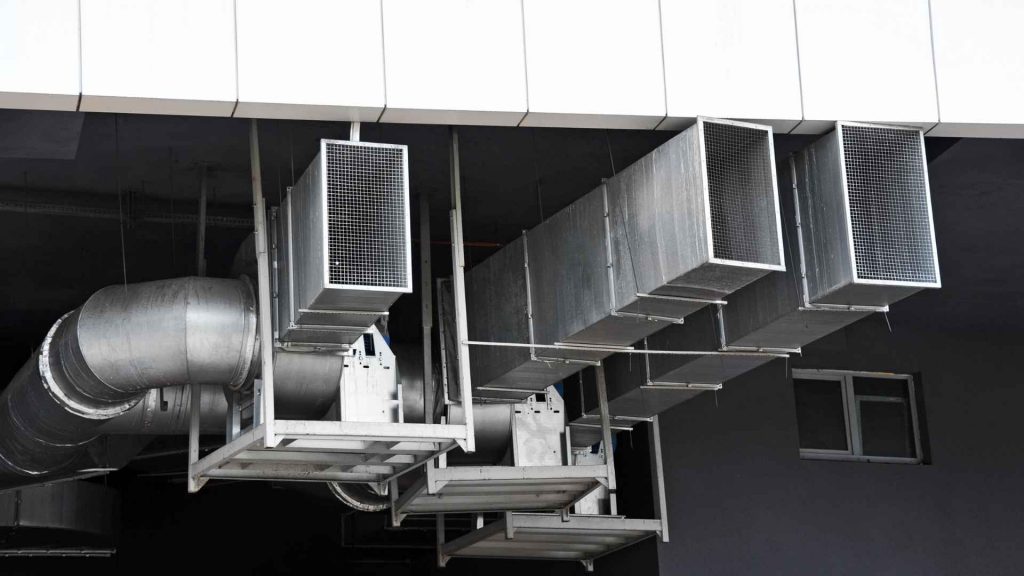
בנוסף להסרת מזהמי אוויר מזיקים, אוורור תעשייתי חשוב לשמירה על סביבת עבודה בריאה לעובדים ולציוד. טמפרטורות מוגזמות משפיעות על בריאות האדם ועלולות להוביל למחלות. נוכחות אוורור תעשייתי במסגרות תעשייתיות מונעת מעובדים לפתח מחלות וקשורה ישירות לביטחון תעסוקתי. בעיקרון, מערכת אוורור תעשייתית מורכבת מאווררים, צינורות, מסננים, אספנים, ורכיבים אחרים. במסגרות תעשייתיות קיימים שלושה סוגים עיקריים של מערכות אוורור: אוורור פליטה מקומי (לב), אוורור דילול ואוורור אוויר שלם.
יש רשימה של טעויות נפוצות בשימוש אוורור תעשייתי. אלה כוללים הערכת יתר של האפקטיביות של ברדסים אוורור קטן, לשים אותם רחוק מדי תהליכים, ולא ייעוץ עובדים על החשיבות של מיצוי. מעסיקים רבים אינם מצליחים לבדוק את תהליכי החילוץ שלהם או לוודא שהם מבצעים אותם כראוי. למרות זאת, ישנן הנחיות רבות לאוורור תעשייתי. הנחיות אלה נכתבות כדי לסייע לעסקים תעשייתיים לשמור על מתקניהם בריאים ובטוחים.
סוגי מערכות אוורור תעשייתיות:
ישנם שני סוגים בסיסיים של אוורור תעשייתי: פליטה מקומית ודילול. הסוג השני משמש בחללים סגורים שבהם איכות האוויר היא דאגה. אוורור תעשייתי משפר את נוחות העובדים ואת הפרודוקטיביות על ידי החלפת אוויר מעופש באוויר צח ונקי. אנשי מקצוע בתחום האוורור התעשייתי אוספים דגימות אוויר ומדגמים את זרימת האוויר כך שתתאים לנסיבות מקום העבודה המסוים. הם חיוניים להגנה על העובדים ועל הסביבה בה הם עובדים. עם זאת, בחירת סוג המערכת הנכון היא קריטית.
מערכת אוורור תעשייתית מסירה מזהמי אוויר, כגון אבק ואדים, על ידי הכנסת אוויר צח. המערכת עשויה לכלול גם ציוד איסוף וסילוק אבק, כגון שואבי אבק תעשייתיים גדולים. דוגמה נוספת למערכת אוורור תעשייתית היא מכסה מנוע גדול מנירוסטה המסיר חום, עשן ואדים מהאוויר. מערכות אלו יכולות גם לשלוט בטמפרטורה ולחות באזור. בחירת המערכת המתאימה לצרכים הספציפיים שלך תהפוך את העובדים והציוד שלך לנוחים.
ישנם מספר סוגים שונים של מערכות אוורור תעשייתיות, שכולן עוקבות אחר עקרונות דומים. סוגים שונים נועדו לעמוד בדרישות ספציפיות לתנאי עבודה ושיעורי שחרור מזהמים. לדוגמא, מערכת לכידת מקור (המכונה גם מערכת פליטה מקומית) תעביר חומר חלקיקי למערכת צינורות המסתיימת באספן אבק מרכזי. מערכות אלה אידיאליות לסביבות תעשייתיות בהן תנאי העבודה מסוכנים.
מהי החשיבות של אוורור תעשייתי?
מהי החשיבות של אוורור תעשייתי? לא ניתן להפריז בחשיבותה של מערכת אוורור תעשייתית. מתקנים תעשייתיים ידועים לפלוט מגוון של מזהמים לאוויר. מזהמים אלה כוללים חלקיקים רעילים, אדים כימיים, אבק ואדים מזיקים. אוורור תעשייתי תקין יש צורך להסיר מזהמים אלה ולהחליף אותם עם אוויר צח מבחוץ. זה עוזר לשמור על טמפרטורה נוחה בתוך המתקן ומקטין את הסיכון של אש ופגיעה במכונות.
מכיוון שהאוויר ברוב הבניינים מזוהם מאוד, אוורור תעשייתי יכול להסיר זיהום זה. זה חיוני מכיוון שאוויר בתוך מבנים מכיל יותר כימיקלים וחיידקים מאשר אוויר חיצוני. אוורור נכון ימנע גם את הגדלת ריכוזי שיתוף, מה שבתורו ישפר את בטיחות העובדים. מערכת אוורור מתוכננת כראוי חיונית לבריאות העובדים בכל מתקן תעשייתי. זהו גם אמצעי בטיחות, מכיוון שהוא מונע מעובדים לסבול ממחלות בדרכי הנשימה או מבעיות בריאותיות אחרות.
עלות התקנת מערכת אוורור תעשייתית היא מינימלית, ועלות תחזוקתה מינימלית. זה גם מבטל את הצורך בעיצוב מחדש של תהליכים תעשייתיים. אוורור תעשייתי יכול להפחית את הצטברות האבק במכונות תעשייתיות, ולהאריך את תוחלת חייהם. בנוסף, אוורור תעשייתי יכול לסייע בשליטה על הטמפרטורה במחסנים, בקידום בריאות ובטיחות העובדים. וקל יותר לשמור על סביבה נוחה מאשר על סביבה לחה, מה שעלול לגרום לפחות פציעות ומחלות.
לפרטים נוספים :